
There’s something quietly magical about using vegetables that are just past their prime in kababs. They lose some of their crispness but gain a surprising richness and tenderness that you don’t get from perfect, pristine produce. It’s like turning the ordinary into something unexpectedly deep and flavorful, almost like a secret you stumble upon in your own fridge.
This approach transforms a simple vegetable kabab into a little celebration of seasonal overripe vegetables. The softer textures and deeper, roasted notes make each bite feel more indulgent, even though you’re still just using everyday ingredients. It’s a reminder that beauty and flavor often bloom in overlooked places—if you’re willing to look a little closer and cook a bit differently.
Focusing on the overlooked beauty of using seasonal, slightly overripe vegetables in vegetable kababs to achieve deeper flavors and softer textures, turning everyday ingredients into something unexpectedly rich and tender.
Turning Overripe Veggies into Rich Kababs
- Using slightly overripe vegetables in kababs feels like giving them a second chance, and somehow, it makes each bite richer and more layered.
- There’s a quiet joy in turning what I’d usually toss out into something that’s tender and bursting with roasted sweetness.
- I love how this approach brings out deeper flavors—almost like the vegetables are whispering secrets from the garden’s late days.
- It’s a small act of rebellion, cooking with imperfect produce and making something truly satisfying without fuss.
- Sometimes the most overlooked ingredients become the most memorable parts of the meal, especially when grilled to smoky perfection.
Turning Overripe Veggies into Rich Kababs
- This recipe came from a moment of realizing how often I dismiss slightly overripe vegetables, thinking they’re destined for compost. But grilling them transforms their flaws into flavor—soft, sweet, smoky notes that deepen with each char. It’s like giving those vegetables a second, more delicious life, turning everyday scraps into something special.
- One summer afternoon, I had a bunch of vegetables on the verge of wilting—zucchini, bell peppers, and eggplant. Instead of tossing them, I chopped and threaded them onto skewers. The aroma of roasting vegetables with a hint of caramelization hit me like a secret handshake from the kitchen. That’s when I knew I’d found a new way to celebrate seasonal produce, imperfect but full of promise.
- heading
- story_type
Trivia and Historical Roots
- Vegetable kababs have roots in Middle Eastern and Indian grilling traditions, where skewering vegetables was a way to make use of seasonal produce.
- Traditionally, these kababs are seasoned heavily with herbs and spices, but modern twists often highlight the natural sweetness of slightly overripe vegetables.
- In some cultures, grilling over open flames was a communal ritual, turning simple vegetables into festive street food or family meals.
- The art of using imperfect vegetables in kababs reflects a sustainable approach, emphasizing flavor and texture over visual perfection.
- This dish has gained popularity in recent years as a way to enjoy seasonal, sometimes overlooked produce, turning it into a flavorful, smoky treat.
Key Ingredient Insights
- Bell peppers: I love their smoky sweetness when charred—use any color, but red adds a vibrant pop. Skip if you prefer milder flavors.
- Zucchini: Softens beautifully and absorbs marinade; look for firm but slightly overripe ones for richer flavor. Grilled too long, it turns mushy, so watch it.
- Eggplant: Its spongy texture soaks up spices and oil—roast until deeply golden and slightly oozy inside. Salt beforehand to draw out bitterness.
- Onions: They caramelize and add a sweet, smoky aroma—use red or yellow for more flavor. Grill until they’re tender and slightly charred.
- Marinade ingredients: Fresh herbs and spices—garlic, cumin, coriander—bring earthy warmth. Use lemon juice for brightness, but a splash of vinegar works too.
- Skewers: Metal or soaked wooden sticks—prevents burning and helps get those beautiful grill marks. Soaking wooden skewers for 30 minutes is key.
- Olive oil: I drizzle generously to keep everything moist and impart a subtle fruitiness. For a nuttier edge, try toasted sesame oil sparingly.
Spotlight on key ingredients
Bell Peppers:
- I love their smoky sweetness when charred—use any color, but red adds a vibrant pop. Skip if you prefer milder flavors.
- Zucchini: Softens beautifully and absorbs marinade; look for firm but slightly overripe ones for richer flavor. Grilled too long, it turns mushy, so watch it.
- Eggplant: Its spongy texture soaks up spices and oil—roast until deeply golden and slightly oozy inside. Salt beforehand to draw out bitterness.
Eggplant:
- Its spongy texture soaks up spices and oil—roast until deeply golden and slightly oozy inside. Salt beforehand to draw out bitterness.
- Zucchini: Softens beautifully and absorbs marinade; look for firm but slightly overripe ones for richer flavor. Grilled too long, it turns mushy, so watch it.
- Bell peppers: I love their smoky sweetness when charred—use any color, but red adds a vibrant pop. Skip if you prefer milder flavors.
Notes for ingredient swaps
- Dairy-Free: Use tahini or a splash of coconut milk in the marinade. The flavor stays rich, but it loses the tang of yogurt.
- Vegetarian/ Vegan: Swap out any honey marinade for maple syrup or agave. Keeps the sweetness but skips animal products.
- Gluten-Free: Ensure your soy sauce is gluten-free, or replace with coconut aminos for a slightly sweeter, milder flavor.
- Smoky Flavor: Add a dash of smoked paprika or chipotle powder to the marinade for extra smoky depth without a grill.
- Vinegar Substitute: Lemon juice is bright and fresh, but apple cider vinegar adds a tangy kick that’s more mellow.
- Vegetable Choices: Try cherry tomatoes or slices of zucchini for variety. They’ll soften and absorb flavors differently.
- Oil Options: Swap olive oil for toasted sesame oil for nuttier aroma or avocado oil for a milder, high-heat option.
Equipment & Tools
- Skewers: To hold the vegetables for grilling, ensuring even char and easy turning.
- Bowl: For mixing the marinade ingredients.
- Grill or grill pan: To cook the skewers, imparting smoky flavor and grill marks.
- Brush: To apply marinade evenly onto the vegetables.
- Tongs: To turn and handle hot skewers safely.
Step-by-step guide to vegetable kababs
- Gather your skewers—metal or wooden, soaked for 30 minutes if using wood, to prevent burning.
- Prepare the vegetables: cut bell peppers, zucchini, eggplant, and onions into 1.5-inch pieces; aim for slightly overripe for softer textures.
- Make the marinade: mix olive oil, minced garlic, cumin, coriander, lemon juice, salt, and pepper in a bowl. Set aside.
- Thread the vegetables onto skewers, alternating colors and textures for visual appeal and even cooking.
- Brush the skewers generously with the marinade, ensuring all sides are coated. Let sit for 15 minutes to absorb flavors.
- Heat your grill to medium-high—around 200°C (390°F). Place skewers directly over the heat, turning occasionally.
- Grill for about 8-10 minutes, rotating every couple of minutes, until vegetables are charred in spots and tender.
- Check for doneness: vegetables should be caramelized, slightly smoky, and soft but not mushy. If too soft, reduce grilling time.
- Remove from grill and let rest for 2 minutes. This helps juices settle and prevents immediate sogginess.
- Serve hot, garnished with fresh herbs or a squeeze of lemon, and enjoy the smoky, tender bites.
Let the skewers rest for 2 minutes off the grill, then serve immediately. Garnish with fresh herbs or a squeeze of lemon for bright contrast.
How to Know It’s Done
- Vegetables are deeply charred with smoky edges.
- Piercing a piece with a skewer: it should feel tender but not mushy.
- The marinade glistens on the vegetables, with a fragrant aroma of garlic and spices.
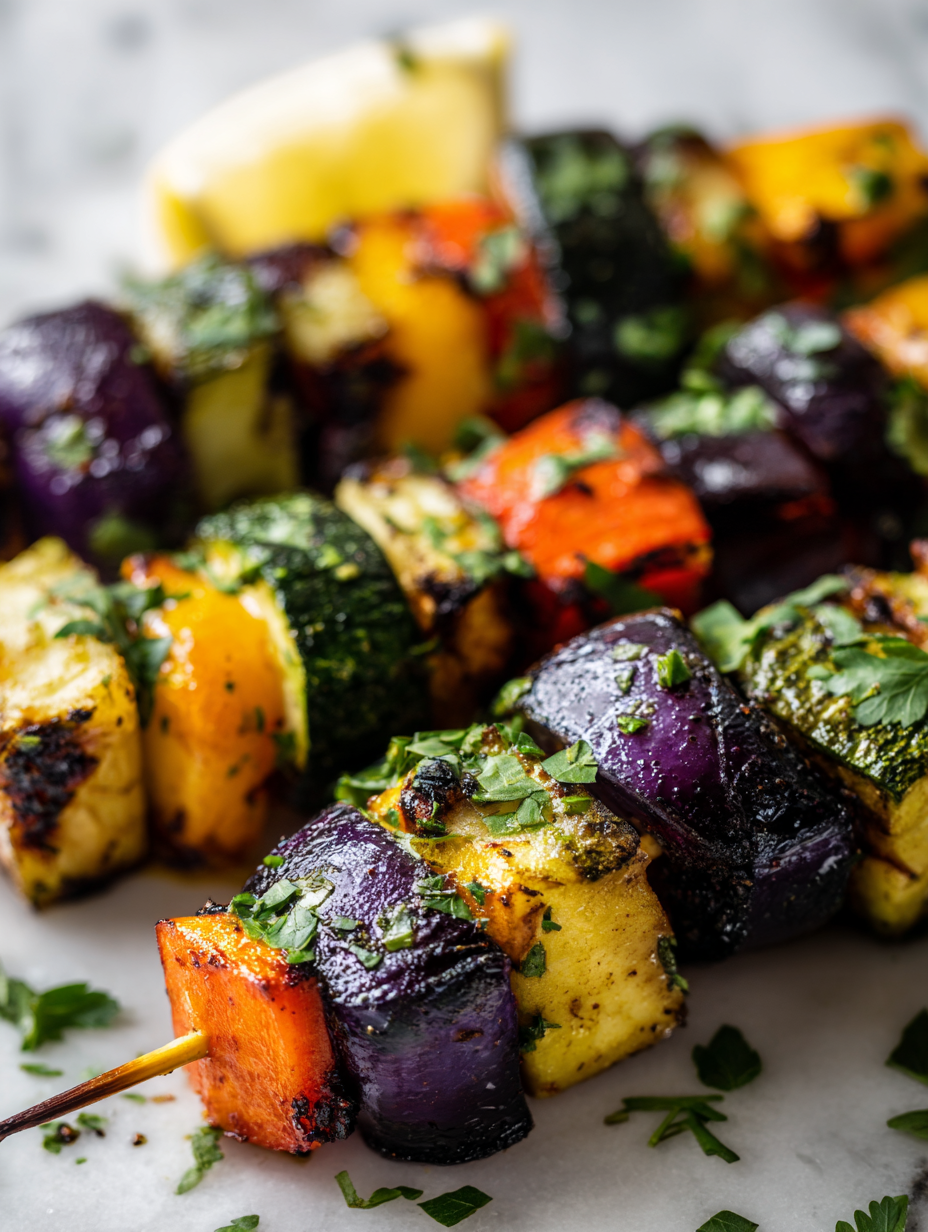
Overripe Vegetable Kababs
Ingredients
Equipment
Method
- Start by soaking wooden skewers in water for 30 minutes, or prepare metal skewers. Meanwhile, chop the bell peppers, zucchini, eggplant, and onions into roughly 1.5-inch pieces, aiming to keep slightly overripe vegetables for softer textures and deeper flavor.
- In a small bowl, mix the minced garlic, ground cumin, ground coriander, olive oil, lemon juice, salt, and pepper to create a flavorful marinade. Whisk everything together until well combined and fragrant.
- Thread the chopped vegetables onto the skewers, alternating colors and textures for visual appeal and even cooking. Press them gently so they hold firmly but aren’t overcrowded.
- Using a brush or spoon, generously coat all sides of the skewers with the prepared marinade. Let them sit for about 15 minutes, allowing the flavors to soak in and the vegetables to soften slightly.
- Preheat your grill or grill pan to medium-high heat—around 200°C (390°F)—until it’s hot and ready to give a good sear.
- Place the skewers directly on the grill, turning them every 2-3 minutes to ensure even charring and to develop those beautiful smoky spots. Listen for a gentle sizzle as the vegetables hit the hot grates.
- Grill for about 8-10 minutes, watching as the vegetables develop deep golden and charred edges while becoming tender. The aroma of caramelized vegetables will fill the air.
- Check the softness of the vegetables by piercing one with tongs or a skewer; they should feel tender and slightly smoky on the outside, but not mushy.
- Remove the skewers from the grill and let them rest for a couple of minutes. This brief pause helps the juices redistribute and prevents sogginess.
- Serve the vegetable kababs hot, garnished with fresh herbs or a squeeze of lemon. Enjoy the smoky, tender bites that celebrate the overlooked beauty of seasonal, overripe vegetables.
Pro tips for perfect vegetable kababs
- Bolded tip: Use high heat—aim for a steady 200°C (390°F)—to get those perfect charred edges quickly.
- Bolded tip: Thread vegetables tightly but not overcrowded—this promotes even cooking and better grill marks.
- Bolded tip: Baste with marinade often—every 2-3 minutes—to keep vegetables moist and add smoky flavor.
- Bolded tip: Watch for color change—deep golden on edges signals caramelization and flavor development.
- Bolded tip: If vegetables stick, give them a little nudge—using well-oiled skewers prevents tearing and sticking.
- Bolded tip: Rest the skewers briefly after grilling—2 minutes keeps juices in and prevents sogginess.
- Bolded tip: Finish with a squeeze of lemon—brightens smoky notes and enhances the vegetables’ natural sweetness.
Common mistakes and how to fix them
- FORGOT to soak wooden skewers → Soak for 30 minutes to prevent burning.
- DUMPED vegetables too early → Wait until they are deeply charred and tender.
- OVER-TORCHED marinade → Reduce heat or move skewers to cooler part of grill.
- MISSED flavor balance → Add a splash of lemon or vinegar for brightness.
Quick fixes and pantry swaps
- When vegetables are too soft, splash with lemon juice to brighten their flavor.
- If skewers burn, patch by moving them to cooler grill zones immediately.
- Splash water on flare-ups to tame flames and prevent charring.
- Dumped vegetables too early? Rest for 2 minutes before removing skewers.
- When lacking fresh herbs, swap with dried; they add flavor without moisture shimmer.
Prep, store, and reheat tips
- Prep the vegetables: chop bell peppers, zucchini, and onions up to a day in advance; store covered in the fridge for crispness and ease.
- Marinate the vegetables: mix marinade ingredients and coat veggies a few hours ahead; keep chilled to deepen flavors overnight.
- Skewer preparation: thread vegetables onto skewers and refrigerate covered for up to 24 hours; this allows flavors to meld and makes grilling quicker.
- Storage and shelf life: raw skewered vegetables last 1-2 days refrigerated; cooked kababs are best enjoyed within 24 hours for optimal smoky freshness.
- Reheating: rewarm in a hot skillet or on a grill for 2-3 minutes until sizzling and fragrant; watch for slight charring and smoky aroma to confirm reheated perfection.
Top questions about vegetable kababs
1. Can I use overripe vegetables in kababs?
Use slightly overripe vegetables for softer textures and deeper, roasted flavors. They absorb marinade better and develop a smoky sweetness during grilling.
2. How long should I marinate the vegetables?
Marinate the vegetables for at least 15 minutes to soak up flavors. Longer, up to an hour, enhances the taste and tenderness.
3. Do I need to soak wooden skewers?
Soak wooden skewers in water for 30 minutes before threading vegetables. This prevents them from burning on the grill.
4. What temperature should I grill at?
Preheat your grill to about 200°C (390°F). Look for a steady, hot surface that chars the vegetables quickly and evenly.
5. How do I know when the kababs are done?
Cook until vegetables are deeply charred in spots, tender, and fragrant—about 8-10 minutes, turning occasionally.
6. Any tips to prevent sticking?
Use a grill brush to clean grates before cooking, and oil the skewers and vegetables to prevent sticking.
7. How can I store leftovers?
Refrigerate raw skewers up to 24 hours, or cooked kababs for up to 1 day. Reheat on a hot grill or skillet for fresh flavor and smoky aroma.
8. Can I add smoky flavor without a grill?
Add smoked paprika or chipotle powder to the marinade for extra smoky depth if you’re not grilling over open flame.
9. What if the vegetables get mushy?
If vegetables are too soft after grilling, splash with lemon juice or vinegar for a fresh, bright finish.
10. Which vegetables work best for kababs?
Use vibrant bell peppers, spongy eggplant, and tender zucchini. Each adds distinct smoky sweetness, softness, and a juicy bite to the kababs.
Cooking these vegetable kababs reminds me that sometimes the imperfect ingredients bring the most flavor. There’s a quiet satisfaction in turning slightly overripe vegetables into something smoky and tender, especially on a summer grill or in a hot pan. It’s a simple dish that celebrates the overlooked and makes everyday produce feel special.
In a world that often values perfection, these kababs prove that a little char and softness can be exactly what makes a meal memorable. They’re perfect for lazy afternoons or casual gatherings, where the focus is on good flavors and easy, honest cooking. Sometimes, the best bites come from embracing what’s right in front of you, just a little past its prime.

Welcome to Exploreing New Tastes. I’m really glad you found your way here. I’m a food blogger driven by curiosity more than perfection. I think about flavors constantly, how they change across cultures, how a small tweak can completely shift a dish, and how food tells stories long before anyone sits down to eat. This blog is where I document that curiosity, one recipe and one experience at a time.